Foam is a common and harmful issue in coatings and construction materials. Antifoaming agents can control the formation of foam and eliminate existing foam during production and application. In this article, we’ll explain why foam forms, how antifoam agents work, and how to select the right solution for your system to improve overall performance.
What Is an Antifoaming Agent?
To take it literally, an antifoaming agent is a chemical additive to suppress foam generation from the very beginning. While a defoaming agent theoretically refers to a foam control agent that can remove formed foam and bubbles. In practice, we usually interchange these two terms and do not distinguish them clearly. They can share the same functions, and most of the time we would like to call them defoamers. In the following content, we will mix the name of them.
 How Foam Is Formed
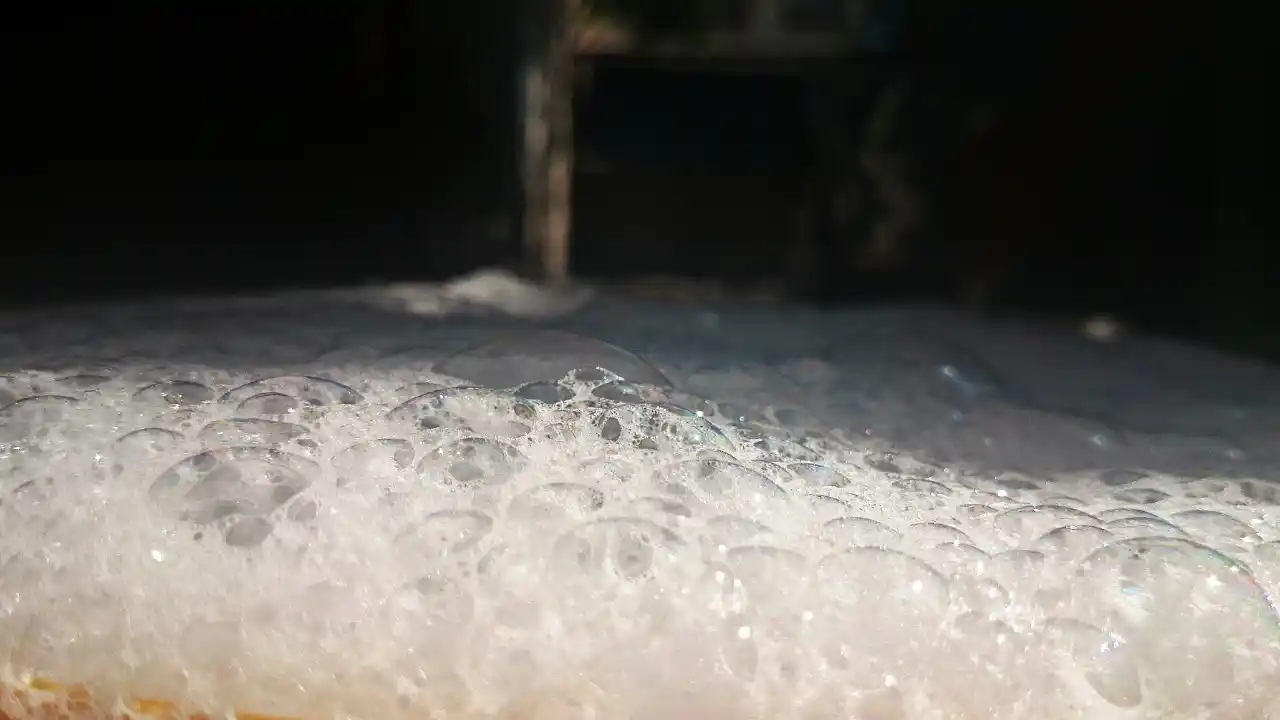
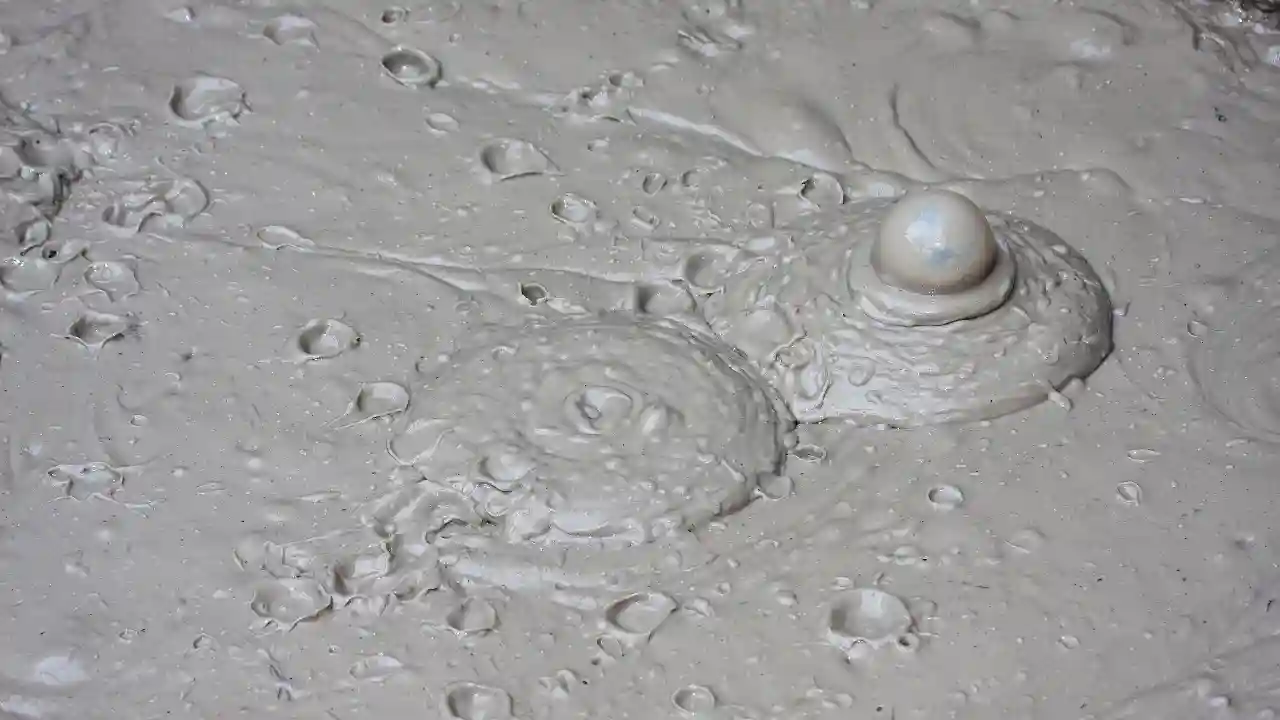
Put simply, foam is formed because air is trapped in the liquid systems. It is inevitable to introduce air during coatings and construction materials’ mixing, pumping, and high-shear dispersion. After that, the surfactants will reduce surface tension and form a thin protective film around air bubbles and stabilize the foam.
In real systems, foam formation is more serious when:
- You use high-speed dispersion equipment
- The formulation contains surfactants or dispersants
- Viscosity is high and air cannot escape easily
- Water-based systems trap air during mixing
Foam is not only a visual issue. It can lead to:
- Craters and pinholes on coatings
- Reduced mechanical strength in cement systems
- Poor leveling and uneven surfaces
- Lower density and performance instability
That is why foam control is a critical part of formulation design.
How Antifoaming Agents Work
Antifoam agents prevent and eliminate foam mainly through the following core synergistic mechanisms. The working principle is based on physical and interfacial effects, simply in how they interact with the foam film.
In most practical formulations, foam is not simply “air in liquid”. It is a stabilized structure formed by surfactant molecules, and antifoamers and defoamers must actively destabilize this structure to be effective.
1. Spreading on Foam Surfaces
When an antifoamer droplet enters a foam system, it quickly migrates to the air-liquid interface. Due to its low surface tension and limited compatibility with the surrounding liquid, the defoamer can spread over the foam film surface.
This spreading process is critical. It can reduce the local surface elasticity of the foam film, so the film cannot stretch and recover effectively, destabilizing the bubbles’ structure.
Simultaneously, the defoamer will disrupt the arrangement of surfactant molecules at the interface, weakening the protective layer and making the foam unstable.
 2. Film Rupture
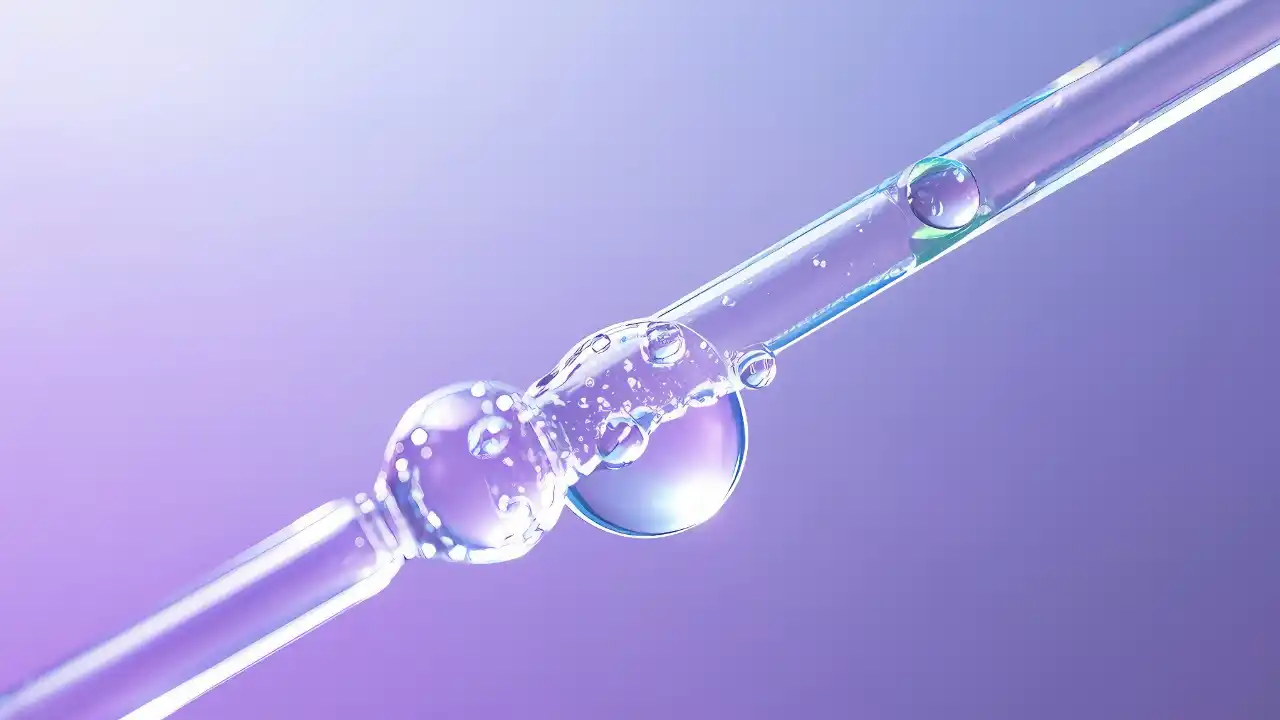
After spreading, the antifoaming agent begins to penetrate into the foam lamella (the thin liquid film between two bubbles). This creates localized thinning of the film.
As the film becomes thinner, internal stress increases. The balance between surface tension and internal pressure is destroyed. Once a critical point is reached, the film breaks suddenly. And then you will see the large bubbles disappear immediately.
This step becomes more difficult in more complex systems, such as high-viscosity coatings or cement slurries. And this is why defoamer compatibility plays a key role in real performance.
3. Air Release and Deaeration
Beyond foam collapse, defoamers also help release entrapped air that is already dispersed in the bulk system. For this process, we usually call it deaeration.
Microbubbles are often more difficult to remove than visible foam since they always remain suspended in the system and can cause long-term defects such as:
- Pinholes In Coatings
- Reduced Mechanical Strength in Mortars
- Poor Transparency or Haze in Films
Defoaming agents can reduce the stability of these microbubbles, allowing them to rise and escape from the system more easily. This is why good defoamers are not only “foam breakers” but also “air release agents”.
4. Balance Between Compatibility and Incompatibility
One important mechanism you should understand is that defoamers must have a certain level of incompatibility with the system to work effectively.
An antifoaming agent will dissolve into the system and lose its activity if it is excessively compatible. On the contrary, it cannot disperse properly and may cause surface defects such as craters or fisheyes if it is too incompatible.
So in real formulation work, defoamer performance is always a balance between:
- Dispersion Ability
- Surface Activity
- Controlled Incompatibility
This balance often determines the performance of a defoamer in real production conditions.
5. Practical Formulation Insight
We know your goal is not only to eliminate visible foam but also to control microfoam and entrapped air throughout the system lifecycle. In real systems, foam control is not a single-step process. It is continuous, and defoamer efficiency must remain stable under:
- High Shear Mixing
- Temperature Variation
- Long Storage Time
- Application Conditions
 Types of Antifoaming Agents
In coatings, adhesives, and cement-based systems with different requirements, you need to choose different types of antifoaming agents. Let’s clarify and structure their classification properly first.
Mineral Oil-Based Defoamers
Mineral oil-based defoamers or antifoamers are widely used in coatings, adhesives, and water treatment. They can provide a good defoaming effect, stability, and cost-efficiency. With excellent compatibility, mineral oil defoamers do not easily cause surface defects.
Silicone-Based Defoamers
Silicone defoamers have the highest efficiency among the different types. Even with low dosage, they can provide rapid defoaming speed and long-term antifoaming effect. They are commonly used in waterborne coatings and cementitious materials. They are especially effective against stubborn bubbles, but compatibility must be carefully balanced to avoid surface defects.
Polyether & Non-Silicone Defoamers
Polyether and silicone-free defoamer agents are used in systems requiring better compatibility or transparency. They are often applied in sensitive formulations such as adhesives, inks, and certain emulsion systems.
Antifoaming Agents Application & Selection Guide
Antifoaming or defoaming agents can improve appearance but also enhance strength and processing efficiency. So they are widely used in various applications including:
- Industrial Production: Antifoamers can ensure perfect surfaces in the manufacturing of water-based architectural coatings, industrial inks, and synthetic emulsions.
- Mechanical Construction: Acting as a high-efficiency booster for spray-applied plasters and self-leveling compounds, defoamers can provide instant air-release during high-speed pumping.
- Specialized Formulations: In dynamic foam control systems, defoaming agents can enhance the flow and stability, such as SBR latex and adhesives.
Note: For dry-mix mortar and tile adhesive production, we recommend our parent company Celotech’s specialized Powder Defoamer line to ensure uniform distribution and long-term storage stability. For dynamic, on-site wet modification, Celotech Ruico Liquid Defoamers provide the immediate surface tension control your project demands.
 In the above systems, you should choose the right antifoaming types and take the following factors into consideration:
- Defoaming Efficiency: Low addition level with fast antifoaming effect is good, but you also need to choose between dosage advantage and long-lasting performance.
- Surface Impact: Evaluate whether the antifoamer types will cause surface defects on coatings, or influence the construction material’s strength and density.
- Processing Condition: You’d better test and choose a suitable antifoamer under real high shear, temperature, and mixing time.
Common Problems and Troubleshooting
Even with proper antifoamers and defoamers, there will still be foam issues if the system is not properly balanced.
One common problem is improper dosage. You cannot remove foam completely, or foam will appear again if the antifoamer agent amount is insufficient. And you will also face surface defects or compatibility issues by overdosing. With mature technical skills, we can work with you to find the optimal addition amount.
Another universal issue is compatibility. You should also consider other additives’ compatibility in the whole system since excess surfactants in the formulation can also reduce defoaming performance. For this complicated formulation issue, our technical team can help you analyze the roots and optimize your formulation.
Incorrect addition timing is a frequent problem, too. The antifoaming agents cannot maximize their effect if added too late or under poor mixing conditions, losing proper dispersion and effectiveness.
In most cases, the reasons for foam problems are multifactorial. They are the result of system balance between surfactants, viscosity, and defoamer selection.
 FAQ
FAQ
When Is the Best Time to Add Antifoaming Agents?
The best addition time for antifoaming agents is the early mixing or grinding stage, when they can prevent the formation of foam initially. For stubborn foam, you can also add a suitable amount of defoamer during the let-down stage.
How to Improve the Antifoamers’ Compatibility with Surfactants or Thickeners?
You can conduct small amounts of antifoamer tests with compatible surfactants or thickeners in your real formulation, and avoid excessive addition. You can try our wetting and leveling agents, which are designed with good compatibility.
How to Avoid Surface Defects While Using Silicone Defoamers?
Use silicone defoamers with appropriate dosage and ensure good dispersion. Too much silicone or poor mixing can cause craters or fisheyes, so you should control the additives’ compatibility and system balance.
Which Defoaming Agent Works Better in High-Shear Mixing Conditions?
You can try silicone or modified silicone defoamers, they can withstand high shear and still provide fast foam breaking.
Do Your Antifoaming Agents Have an Impact on Recoatability?
Our antifoaming and defoaming agents are developed with excellent compatibility, and we will remmend you dosage and balance your formulation. With proper dosing and compatibility, the impact on recoatability is minimal.
Final Thoughts
Foam control is a multifactorial challenge involving system design, surfactants, viscosity, and antifoamer selection. Understanding the mechanisms behind foam formation helps improve formulation performance. Celotech Ruico provides a full range of antifoaming agents for different applications, and our technical team can support selection and formulation optimization to achieve stable results.