
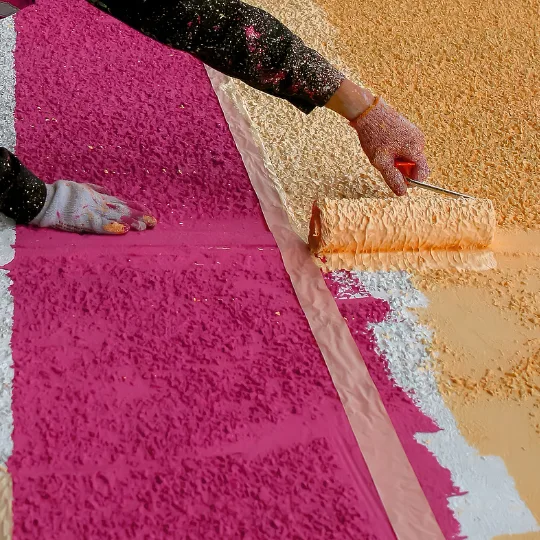
China’s Leading Anionic Wetting Agent Supplier
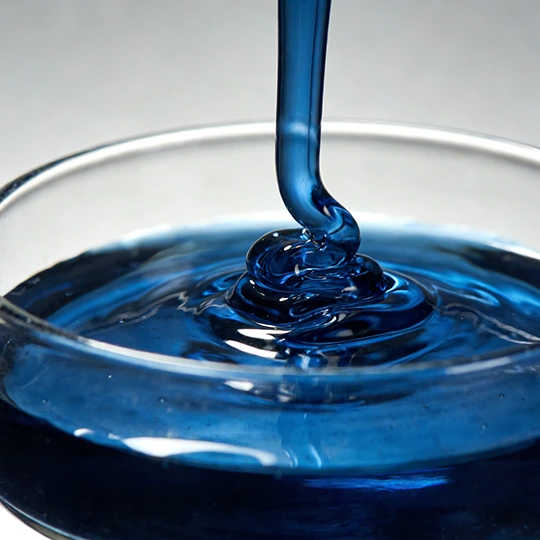
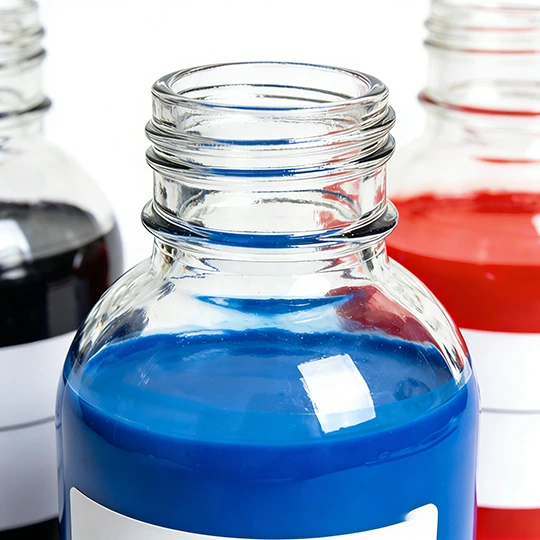
Celotech Ruico specializes in the R&D of functional additives. Through molecular structure optimization, our anionic wetting agents deliver exceptional interfacial activity within water-based systems, serving as a critical additive for water-based coatings, inks, and dispersion systems.
- Accelerates pigment wetting speed by 30%–50%
- Reduces grinding time by over 20%
- Lowers system viscosity by 10%–25%
- Enhances color brilliance and uniformity
Why We Are Trustworthy
Celotech Ruico maintains numerous branches and operational bases worldwide, enabling us to respond quickly and provide professional support to customers wherever they are. With extensive international experience and adherence to rigorous certification standards, we ensure our diverse range of products—including our Anionic Wetting Agents—meet the exacting quality requirements of global markets.
Related Products
70% nonionic surfactant (iso-alcohol-based); APEO-free, HLB value 17.5; provides excellent wetting for inorganic pigments.
70% Non-ionic Surfactant (Iso-alcohol-based); APEO-free, HLB value 13.5; provides excellent wetting for organic pigments.
100% Silicone-Polyether Additive; enhances flow, prevents edge retraction, imparts a smooth finish, and provides strong substrate wetting.
100% Silicone-Polyether Product; delivers excellent substrate wetting, offers defoaming without foam stabilization, and ensures outstanding recoatability.
100% polyether-modified siloxane with a “double-tail” structure; highly effective at preventing cratering and exhibiting excellent static surface tension.
Company Advantages
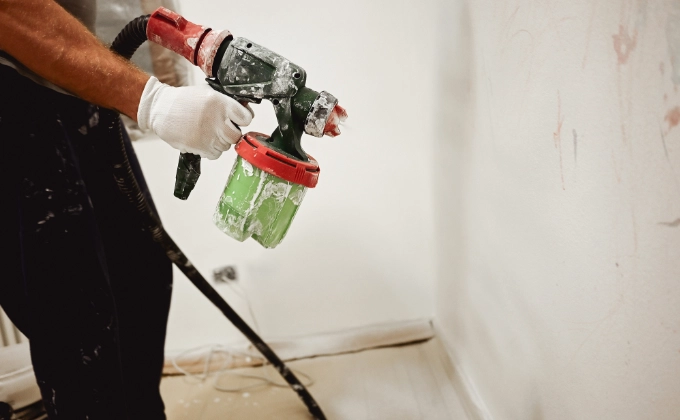
Celotech Ruico boasts a comprehensive product portfolio of building additives, encompassing a wide range of functional products, including various cellulose ethers, impregnating agents, defoamers, thickeners, dispersants, and emulsions. This allows them to meet the diverse needs of different construction processes and building materials, comprehensively enhancing the performance of building materials and optimizing construction quality and efficiency.

Our company’s construction additives have gained widespread recognition in both domestic and international construction markets, and we have long served building material companies involved in medium to large-scale engineering projects. Relying on a rigorous quality management system, a stable supply chain, and professional technical support, our products have earned the trust of our customers through reliable performance and consistent application results.
Why Choose Celotech Ruico Anionic Wetting Agent

Anionic wetting agents can significantly reduce the “barrier” between the liquid and the pigment, enabling the liquid to spread more easily onto the pigment surface and improving wetting efficiency and rapid wetting.

Even when used in a highly alkaline environment, it can still maintain good activity. In water-based coating applications, it can effectively prevent flocculation and sedimentation, ensuring dispersion stability and preventing color bleeding and discoloration.

The main component of the anionic wetting agent is hydrophobic carbon chains (C8–C18), which are readily available and have mature production processes. Their prices are usually lower than those of other nonionic and cationic surfactants.

With the help of anionic wetting agents, pigment clumps can be dispersed, making it easier for the grinding equipment to reduce the size of large particles. This results in less time spent on repeated grinding (reduced by more than 20%), higher production efficiency, and lower energy consumption.
Advantages of Anionic Wetting Agent Uses
Anionic wetting agents shorten pre-dispersion time, boost grinding efficiency, and enhance leveling and construction performance. The optimized formula delivers a more uniform coating, higher coverage, and reduced separation or settling during storage.

Water-based organic color pastes require high wetting performance, especially for organic pigments with large surface area and high surface energy, such as phthalocyanine and azo pigments. Insufficient wetting leads to agglomeration, diminished color intensity, and reduced dispersion stability. Anionic wetting agents lower interfacial tension, accelerate wetting, and achieve uniform dispersion quickly.
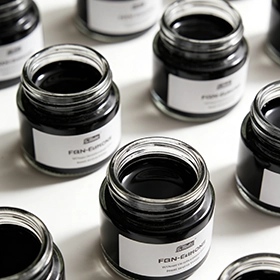
In printing, adding anionic wetting agents improves ink flow and stabilizes viscosity for uniform transfer and clear image reproduction. Enhanced dispersion reduces color unevenness and feathering, improving color consistency and printed results.
Packaging and Delivery
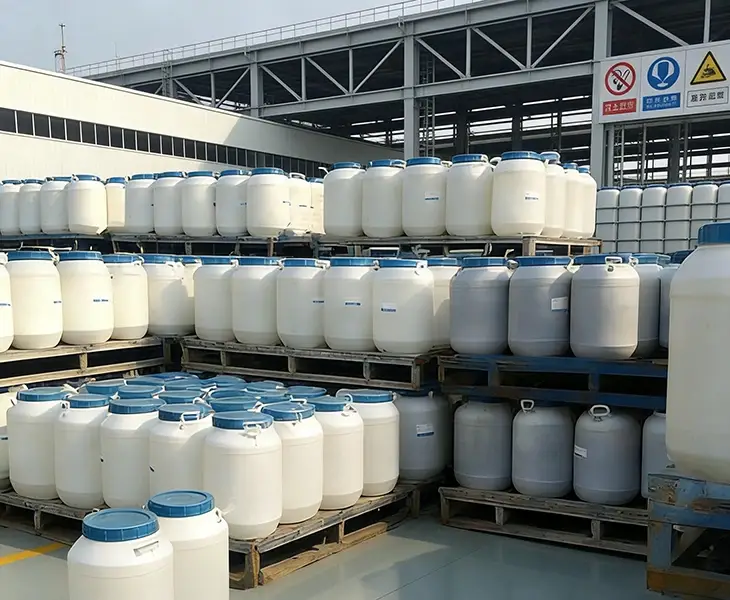
Standard Packaging: 30 kg/drum, customizable packaging available
Shipping Methods: Sea freight / Air freight / Land transportation
Trade Terms Supported: FOB, CIF, DDP, etc.
Testimonial
Our products require very strict stability, especially for anionic wetting agents, which help disperse solid particles in liquid coatings. This product performs consistently across various pigment systems, showing no issues with particle clumping (coarsening) or the formation of larger aggregates (flocculation). From a technical standpoint, it serves as a reliable additive for system optimization.
 Klaus WeberR&D Chemist, Industrial Coatings
To be honest, we initially tried this product because of its price point. However, through actual use, we discovered that the true unit cost is lower, as it reduces dispersion times and energy consumption. For a manufacturing facility, that represents real value.
 Marco RossiPurchasing Director, Coatings Factory
We compared several products of this type, and this particular one offers the most balanced overall performance. Its wetting, dispersion, and viscosity control properties are highly stable, making it well-suited for large-scale manufacturing operations.
 Ahmed Al-FarsiProcurement Manager, Paint Manufacturer
Quick FAQs for Anionic Wetting Agents:
The application stages of these two are different. We usually add the wetting agent during the pre-dispersal stage and the dispersing agent during the grinding stage. When used together, they can better enhance the overall dispersion effect.
The conventional addition amount of anionic wetting agents is 0.1%–1.0% of the total formula. We recommend that you make specific adjustments based on the type of pigment, system structure, and performance requirements. We can also provide suitable formulation solutions based on your needs.
Anionic wetting agents are surface-active agents. During use, they may produce certain foam. You can control the foam problem by combining defoaming agents or choosing low-foaming anionic wetting agents.
This is actually a good phenomenon! It indicates that the pigments have been more fully dispersed and wetted, and the color release ability has been released. This means you can appropriately reduce pigment levels, thereby reducing costs.
Generally, it will not. This is because it increases grinding efficiency by over 20%, resulting in a finer, more uniform distribution of pigments. This dense particle packing often counteracts the film-forming stress induced by surfactants, thereby maintaining—or even enhancing—the paint film’s scrub resistance.