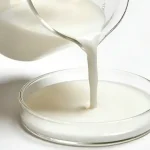
SBR latex and acrylic emulsion are essential polymer additives for architectural coatings and cementitious mortars. While both act as water-based binders, they have different performance, applications, and cost. We will help you compare these two latexes and guide you in selecting the right one for your construction and coating systems.
What is SBR Latex?
SBR latex is a styrene-butadiene rubber copolymer emulsion and is a major modifier in cement and coatings. It can form elastic networks inside cement-based materials to control shrinkage stress, improve crack resistance and adhesion. With excellent low-temperature curing performance and cost advantages, SBR emulsion is widely used in interior building mortars and coatings.

What is Acrylic Emulsion?
Acrylic emulsion is another water-based polymer dispersion produced by acrylic monomers and their copolymers. It has outstanding UV resistance, water resistance, and long-term alkaline stability. The properties of anti-aging and crack-bridging enable acrylic emulsion to be a core binder for exterior coatings and other construction materials.
Key Differences Between SBR Latex and Acrylic Emulsion
When comparing them, SBR latex and acrylic emulsion have different characteristics in shrinkage control, environmental adaptability, and application scenarios.
1. Shrinkage Control & Crack Resistance
In shrinkage control and crack tolerance, SBR latex is better than acrylic emulsion. Cement-rich materials tend to generate severe shrinkage stress during curing. SBR forms elastic polymer bridges that run through the rigid cement structure, evenly redistributing concentrated internal stress. The latex can stop crack expansion at the initial stage at the same time.
Acrylic emulsion, though somewhat flexible, cannot create the same continuous elastic network. It is less suitable for interior mortars or coatings that experience frequent volume changes due to its rigid film. For indoor tile adhesives, repair mortars, and floor screeds, SBR can be better at providing durable bonding and crack prevention.
 2. Weatherability & Outdoor Adaptability
Acrylic emulsion is the undisputed choice for exterior coatings and exposed building materials. The stable molecular structure can deliver strong resistance to UV rays, rain and aging. Even after years of exposure, acrylic-modified coatings and adhesives will not fade, peel, or weaken adhesion. And the film layer can keep its protective performance all year round.
In contrast, SBR latex is not resistant to long-term UV radiation, and the polymer molecular chain will gradually break. The final result is hardening, brittleness, and material powdering. Its bonding force and mechanical properties decline rapidly, which will cause peeling and failure of coatings and mortar layers. That’s why styrene-butadiene rubber emulsion is suitable for indoor applications instead of outdoors.
3. Alkaline Resistance & Temperature Adaptability
Acrylic emulsion has exceptional long-term alkaline stability, and the dense film structure can isolate alkaline components effectively. It can ensure the long-term stability of exterior waterproof and protective coatings, as it will not be damaged by cement alkali.
SBR latex works normally in short-term alkaline conditions and can fully meet the service requirements of indoor short-cycle projects. But in a persistent strong alkaline environment, its internal structure will be gradually corroded, resulting in reduced elasticity and weakened adhesion.
Additionally, SBR latex maintains stable film-forming and bonding ability at low temperature. Acrylic emulsion’s molecular activity decreases obviously at low temperature, slowing down film formation, prolonging curing time, and affecting efficiency and initial use effect.
4. Cost Performance & Coating Application
From formula cost and market positioning, SBR latex is more competitive for common interior projects. The cost is relatively low, and it can work stably with cellulose ether, dispersants, and other common auxiliary additives to form a complete system. It focuses on improving material flexibility and adhesion, perfectly fitting the ordinary building mortars and indoor decorative coatings with moderate performance requirements.
Acrylic emulsion is positioned for high-end exterior coatings, waterproof coatings, and durable protective coatings. With more comprehensive performance, acrylic latex has a relatively higher raw material and overall formula cost. In coating formulation design, acrylic products also have higher requirements for thickeners, leveling agents, and defoamers. It is ideal for professional waterproof and anti-aging coatings that have strict standards.
The table below summarizes their core strengths for your quick look:
| Core Comparison | SBR Latex | Acrylic Emulsion | Key Notes |
| Shrinkage & Crack Resistance | Excellent, relieves cement shrinkage stress | Moderate, limited crack resistance | SBR excels in cement-rich interior systems |
| Weather & UV Resistance | Poor, not for long-term outdoor use | Excellent, anti-UV and anti-aging | Acrylic dominates exterior applications |
| Alkaline Stability | Moderate | Outstanding, long-term alkali resistance | Acrylic suitable for exposed cementitious systems |
| Low-temperature Performance | Superior curing adaptability | Average, slower film formation | SBR ideal for winter or cold regions |
| Main Application Focus | Interior mortars & matched coatings | Exterior coatings & waterproof systems | Aligns with project environment and durability needs |
 When to Choose SBR Latex?
In actual formula development and on-site construction, we recommend prioritizing SBR latex when mineral substrate bonding is the core demand, and projects require strict shrinkage stress control and high crack tolerance.
From years of on-site service experience, most interior building projects take mineral base materials such as concrete, brick, and stone as the main bonding carriers. These rigid substrates have large shrinkage differences with modified mortar and coatings during curing. Once the internal stress cannot be released, surface cracks and hollowing will occur in batches within 1 to 3 months after construction. Adopting SBR latex can fundamentally solve this issue.
For coating applications, SBR is widely used for interior cement-based auxiliary coatings matched with mortars. It focuses on matching the base layer in flexibility and adhesion, ensuring the coating and mortar base layer fit closely without delamination.
When formulating tile adhesives for indoor use, C1 grade and most conventional C2 grade tile adhesives primarily use SBR. It can greatly enhance the interface bonding force between mortar and tile, and avoid hollowing and tile falling caused by shrinkage.
In wall repair mortar, concrete repair interface layer, or ground screeds and leveling layers, SBR is always our first recommendation. Ordinary pure cement materials are prone to slow curing and brittle cracking in winter. Adding SBR latex can cure normally at low temperatures, with better overall flexibility and stronger crack resistance.
When to Choose Acrylic Emulsion?
For projects requiring long-term exterior exposure, outstanding UV resistance, moisture resistance, and lasting alkaline stability, select acrylic emulsion unconditionally.
Combined with decades of formula research and on-site engineering tracking experience, exterior building materials and coatings face the harshest service environment. Many low-cost formulas that use non-acrylic polymers will suffer from film pulverization, discoloration, water seepage, and adhesion failure within 1–2 years after construction. And the maintenance cost in the later period is extremely high.
For all exterior cementitious waterproof coatings, including single-component and two-component products, acrylic emulsion is the standard matching raw material. Its excellent water resistance and compact film layer can block water penetration for a long time, which is the core guarantee for the waterproof function of the coating.
For exterior C2 tile adhesives with high durability requirements, we will clearly advise you to abandon SBR and switch to acrylic modified formulas. Only acrylic systems can maintain stable bonding performance under outdoor environments for more than a decade.
In addition, for flexible cementitious coatings, concrete anti-corrosion protection layers, and special protective coatings on exterior walls, acrylic emulsion is the only choice that can meet the standard indicators.
In coating formula optimization, acrylic emulsion delivers excellent film-forming performance when cooperating with various functional additives to adjust the leveling and flexibility. Even after long-term alkaline erosion of the cement base layer, the coating film will not fall off or lose efficacy.
 Summary
SBR latex is more commonly used for interior flexibility and cost efficiency, and choose acrylic emulsion for exterior durability and weather resistance. Celotech Ruico has developed various grades of SBR latex and acrylic emulsions for different applications and requirements. We leverage our extensive expertise in full formulation support and technical guidance beyond supplying emulsions and additives. Contact us to customize a formulation for you now!
FAQ
Q1: Can I Use SBR Latex and Acrylic Emulsion Together?
A1: Yes, you can. Some manufacturers combine SBR and acrylic latex together to balance flexibility, crack resistance, and weatherability. It may also improve the cost-performance ratio. But we recommend you test the compatibility first.
Q2: Are They Compatible with Cellulose Ether and Other Construction Additives?
A2: Yes, Celotech Ruico SBR latex and acrylic emulsion have good compatibility with HPMC and HEC. We also provide system-compatible additives like wetting agents and other construction additives.
Q3: What Factors Should Be Evaluated When Selecting an Acrylic Emulsion?
A3: Weather and crack resistance are important factors, and you should evaluate parameters like MFFT, Tg, and Alkali resistance too. Besides, you also need to choose the grade based on the coating and construction applications.
Q4: How Can I Select the Right Grade of SBR Latex for My Formula?
A4: For coatings, you should consider film formation, viscosity compatibility, and final durability performance.
For construction, we suggest you choose grades with higher flexibility and crack resistance. Anyway, we will work with you to provide emulsion and additive selections with whole formulation support based on your system and requirements.
Q5: Can I have Samples of SBR Latex and Acrylic Emulsion Asap?
A5: We can provide SBR latex and acrylic emulsion samples asap if your system has suitable ready-made grades in our warehouse. For customization and optimization, we need time to develop the samples, please share your information with us.