SBR latex has versatile uses in different areas, such as paper coating, carpet backing, and textiles. Among them, construction and coating are two of the most important industries. In these two applications, understanding how SBR latex works and how to use SBR latex can help you achieve better performance and stability.
What is SBR Latex and Its Properties
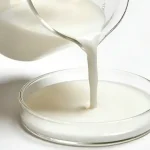
The chemical product SBR latex is short for Styrene-Butadiene Rubber latex. It is a water-based synthetic polymer emulsion. In construction and coating areas, its styrene-butadiene rubber structure provides the following properties:
- Improved adhesion to cementitious and mineral substrates
- Enhanced flexibility and crack resistance
- Better water resistance and long-term durability
How to Use SBR Latex in Construction Systems?
In construction applications, we need to make sure the SBR emulsion is evenly dispersed and properly mixed before interaction with cement or mineral fillers.
In most systems, SBR latex does not work alone. Together with cement, fillers, and chemical additives, this emulsion is able to improve the final strength and performance.
Use in Tile Adhesives
In cement-based tile adhesives, SBR latex can help reduce tile debonding and cracking. Especially for large-format or low-absorption tiles, SBR latex is an ideal bonding agent.
How to Use
- Use SBR latex as part of the liquid phase in the system
- Pre-mix the dry powders (cement, sand, additives)
- Gradually add the dry powders into the liquid phase under slow- to medium-speed mixing and ensure uniform dispersion
- Wait about 5-10 min for the adhesive to slake, and then stir quickly before final application
Dosage Reference
In tile adhesive systems, the reference dosage range is 5%–10% of cement weight. The specific dosage of C1 or C2 grade should be adjusted based on the performance requirements.
Key Consideration
For proper open time and anti-sagging performance in tile adhesive C2-grade, it is very important to balance SBR latex with water retention agents, such as cellulose ether Hydroxypropyl Methyl Cellulose(HPMC) and Methyl Hydroxyethyl Cellulose(MHEC).
Use in Repair Mortars and Screeds
Styrene butadiene emulsion can modify the mortar to be more crack and wear-resistant under traffic and environmental exposure. You can use the SBR latex in floor repairs, patching work, and leveling applications.
How to Use
- Add the SBR latex during the liquid phase of mixing.
- Normally, you need to mix the SBR latex with water before adding dry powders.
- Ensure complete uniform mixing to avoid local concentration differences
Typical Dosage
The typical addition level in repair mortars and screeds is 10%–15% of cement weight (as a general reference range). In real applications, SBR latex is often overused as people pursue higher bonding strength or flexibility. It will not only reduce hardness but also disturb the balance of the overall formulation. We provide free samples and testing assistance for you to get the best balanced solution.
Note:
Polymer-modified mortar systems will not be stable when air is trapped during mixing. The foam and bubbles will reduce density, strength, and surface quality. We can recommend suitable defoamers to you.
Proper curing is also important to prevent surface shrinkage or early cracking.
Use in Bonding Slurries & Concrete Repair Systems
In bonding slurries and repair interfaces, SBR latex is widely used to improve adhesion between old and new concrete. As a binding agent, SBR latex helps reduce common failures such as interface debonding, hollow areas, and delamination.
How to Use
- Clean the surface to ensure no dust, oil, or loose particles.
- Pre-wet the surface to reach a saturated surface dry (SSD) condition.
- Dilute the SBR latex with water before mixing with cement powder.
- Blend the slurry under mechanical equipment to ensure the uniform dispersion of SBR latex in the cement system.
Dosage Guidelines
For bonding slurries, the common mix ratio of SBR latex with cement is 1:1 to 1:2 by weight, depending on substrate condition and bonding requirements.
Higher addition may improve flexibility and adhesion, but can also reduce hardness or increase cost. Celotech Ruico can help you optimize based on your application needs.
Practical Note
If the bonding layer dries completely before overlay, it may reduce the adhesion performance. Therefore, timing of application is critical.

How to Use SBR Latex in Coating Formulation?
In paints & coatings applications, you need to make a proper selection of formulation and dosage to achieve the desired balance between performance and cost.
Use in Water-Based Architectural Paints
SBR latex is commonly used in economical interior and exterior wall paints. Besides adhesion improvement, SBR latex can also help reduce common coating defects, improve moisture resistance and durability of the coating finish.
How to Use
- Add SBR latex during the liquid phase of coating production.
- Introduce the SBR latex during the let-down stage after pigment and filler dispersion.
- Mix under moderate agitation to avoid causing excessive foam.
- Evaluate the compatibility with dispersants, thickeners, and defoamers before mass production.
Dosage Range
The dosage varies significantly depending on PVC (Pigment Volume Concentration) and coating performance requirements.
SBR latex may replace approximately 10%–30% of the total binder system, depending on PVC and coating performance requirements.
Practical Note
SBR latex may cause foam during production, so we recommend the use of defoaming agents to ensure the coating appearance and storage stability.
Use in Waterproof Coatings
In cementitious waterproof coatings, SBR latex can help reduce water absorption and shrinkage-related cracking in cement-based waterproofing layers. It also improves the integrity of the coating film under wet conditions, temperature fluctuations, or minor substrate movement.
How to Use
- Mix SBR latex with water before combining with cement and fillers.
- Ensure complete dispersion throughout the formulation.
- Apply the coating in multiple thin layers instead of one thick layer.
- Allow sufficient curing time between coats.
Dosage Reference
Typical dosage ranges from 10%–15% of SBR latex product weight based on cement weight.
Practical Note
Since an excessive amount may increase flexibility but will also prolong drying time, you’d better test and optimize the dosage.
Use in Industrial Coatings and Protective Coatings
In industrial coatings, SBR latex helps reduce coating defects caused by substrate movement, weather exposure, and moisture penetration. As a result, you can extend the maintenance intervals and improve service life.
How to Use
- Incorporate SBR latex during formulation development as part of the binder system.
- Test the compatibility with pigments, fillers, and functional additives.
- Optimize viscosity with thickening agents and control foam during production.
Dosage Reference
The dosage depends on the binder package and target performance. Laboratory testing is recommended before commercial production.
Practical Note
SBR latex provides a cost-effective solution for many industrial coating applications, but long-term weather resistance should be evaluated according to service conditions.
Common Mistakes When Using SBR Latex
Even though SBR latex is easy to use, you should pay attention to several common mistakes to avoid negative effects:
- Do not add excessive SBR latex or expect unlimited performance.
- Avoid poor mixing resulting in non-uniform polymer distribution.
- Using compatible additives only in coating formulations.
- Don’t apply the bonding slurry when it has already dried.
- Remember to control foam in polymer-modified systems.
- Ensure proper curing conditions for repair mortars and screeds.
- Never simply increase polymer content, but optimize dosage and mixing procedures to improve results.
Final Thoughts
SBR latex has broad uses in tile adhesive, repair mortars, and architectural coating applications. The key to desired performance lies in proper formulation design, dosage control, and mixing procedures.
Simply increasing the addition level cannot improve the results effectively, you should focus on the balance of SBR latex with cement, fillers, and functional additives.
Celotech Ruico is one of the leading SBR latex manufacturers in China. With strong R&D capability, we not merely provide high-quality SBR latex products but also offer formulation support and application guidance. Whether you are developing a new product or optimizing an existing formulation, you can find satisfactory solutions from us.
FAQ
Q1: What’s the Difference Between the Uses of Styrene Butadiene Latex and Styrene Acrylic Emulsion?
A: Styrene butadiene latex (SBR latex) is mainly used in interior construction and various other industries. It is used to improve bonding strength, crack resistance, and flexibility in cementitious systems.
However, the primary use of styrene acrylic emulsion is exterior coating because of its superior UV resistance, moisture and weather stability.
Q2: What is the Recommended Dosage of Defoamer in SBR Latex Formulations?
A: The dosage range of defoamer agents is around 0.1%–0.5%. Please contact us with your system information, application requirements, and process conditions. We will share the recommended addition in your formulation and provide samples for you to test and work out the most suitable addition level.
Q3: Can I Use SBR Latex in Cold Weather?
A: SBR latex can be used in cold-weather applications, but performance depends on formulation and application conditions. Very low temperatures may slow film formation and cement hydration. We suggest you keep the SBR latex stored at a temperature between 5°C and 30°C and avoid freezing.
Q4: Does SBR Latex Work With Gypsum Systems?
A: SBR latex is mainly designed for cement-based systems, and its use in gypsum systems is less common. But there are some academic study that shows SBR latex can improve the flexibility and flexural strength of gypsum-based materials by forming a polymer network within the gypsum matrix.
In practical formulations, you need to conduct lab testing first and check the compatibility with gypsum type, additives, and system design as well.
Q5: Can SBR Latex Replace Redispersible Powder (RDP)?
A: No, SBR Latex and RDP may achieve similar functions in adhesion and flexibility, but they cannot be replaced or interchanged.
SBR latex is a liquid emulsion and is suitable for ready-mix or wet-process systems, while RDP is a powder additive designed for dry-mix systems.