

RT149 Levelling Agent
RT149 is a coating additive that improves smoothness and fluidity. It is soluble in most organic solvents but insoluble in water, and has excellent performance below:
- No negative effect on recoating ability
- Maintain good adhesion between coatings
- Suitable for addition in solvent-based and solvent-free coatings
RT149 TDS
- Technical Data Sheet
| Property | Typical values |
| Chemical Composition | Polyether-modified polysiloxane |
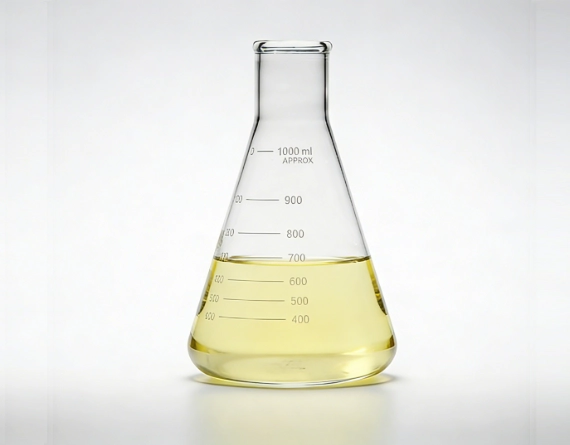
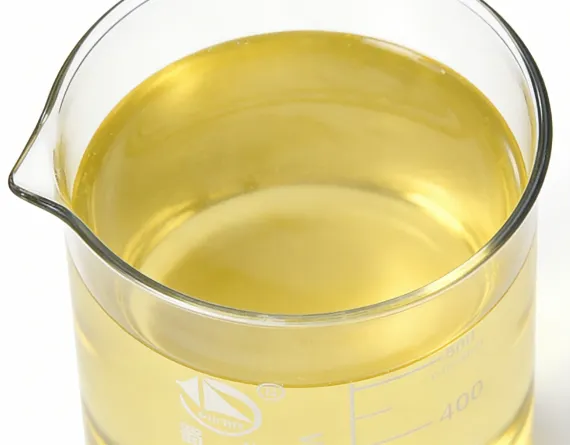
| Appearance | Light yellow transparent oily liquid |
| Viscosity(25℃ , mm2/s) | 350-550 |
| Non-volatile substances(120℃/2h,%) | >98 |
| Refractive index(25℃) | 1.439-1.443 |
Process Description
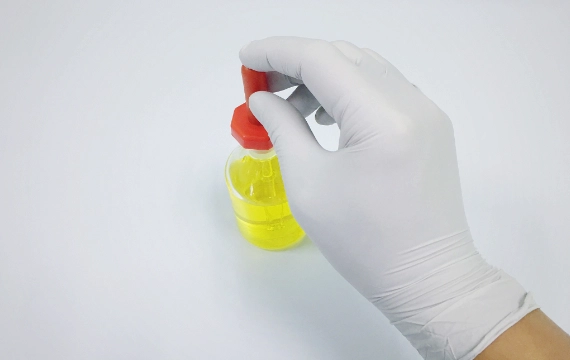
- It can be pre-diluted or added to the coating according to the supply form
RT149 Applications and Recommended Dosage


Package and Storage
Store in a dark place, keep unopened and stored at 5°C to 35°C. The product has a shelf life of 12 months from the date of production.
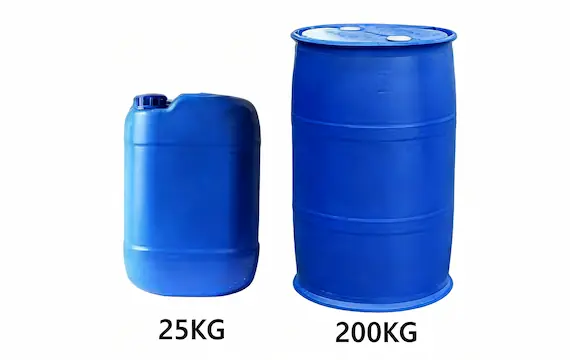
Available in 25kg/bucket and 200kg/bucket sizes, with customised packaging options for customers.
Download the TDS or Contact Our Experts for a Customised Formulation
FAQ About RT149
RT149 is a polyether-modified type of levelling agent. It has better stability and compatibility, and no bad impact on recoatability and intercoat adhesion.
Yes, RT149 levelling agent has good thermal stability, can be used in high-temperature baking coatings.
Yes, RT149 levelling agent is compatible with high-solid and solvent-free formulations due to its high active content (>98%) and excellent compatibility with organic systems.
Yes. Use RT9202W to control foam first, then fine-tune RT149 for flow and surface appearance in lab trials.
Overdosing may cause an overly slippery surface or unstable defect results. Compare several dosage levels instead of judging one panel only.
If the film still shows poor flow, uneven leveling, or visible texture differences, the dosage may still be below the effective range.
Start with a simple base to see its core effect clearly, then confirm performance again in the full production formula.